
Standing water from flash floods, urban drainage issues, and saturated soils can lead to an inc...
After the Flood: Understanding the Mosquito Boom
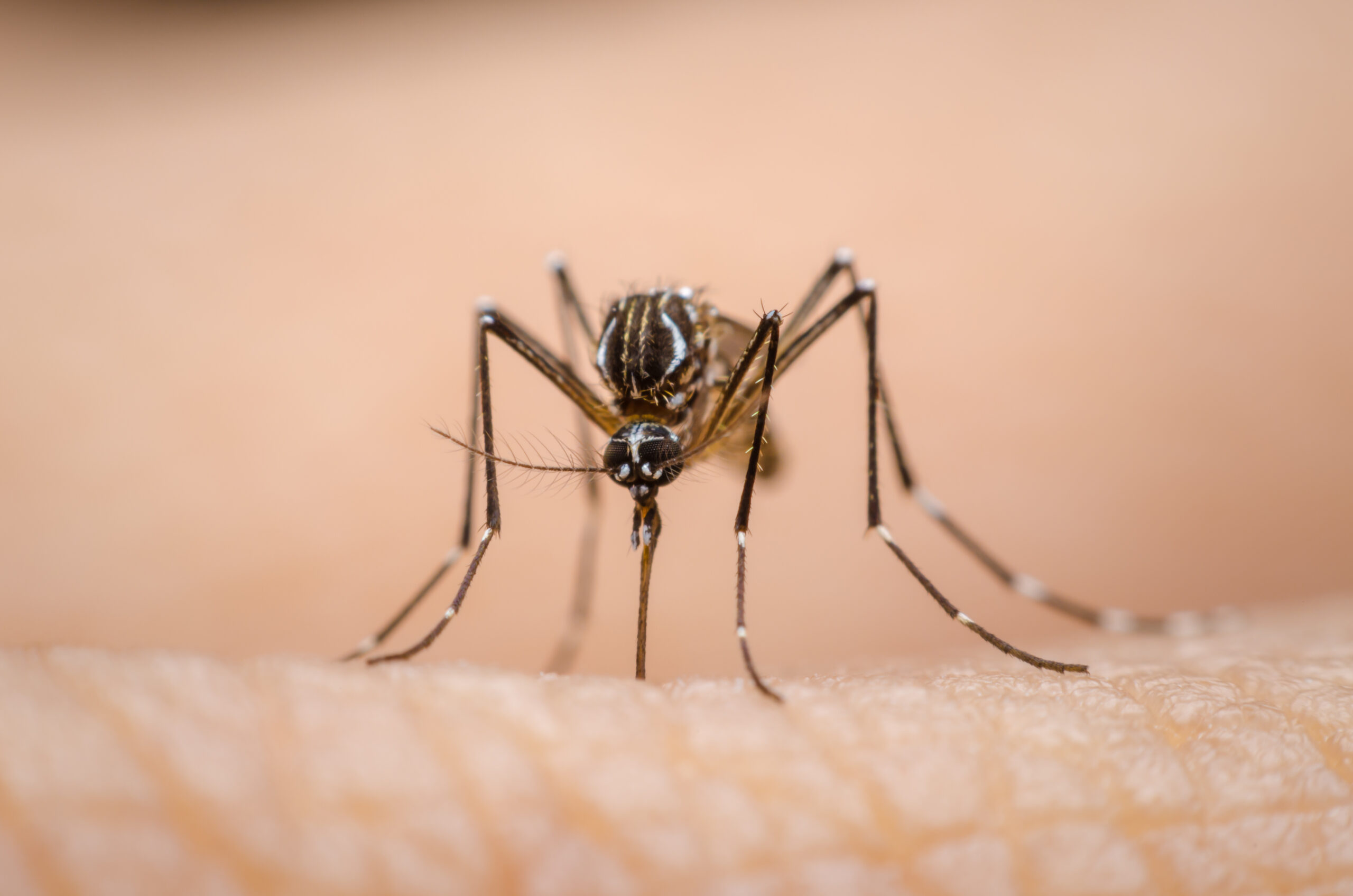
Aedes aegypti are aggressive daytime biters responsible for the spread of Zika, Dengue, and Chikungunya.
Shutterstock_1055252027
Heavy rainfall and flooding in the path of what remains of Tropical Storm Arthur, can create ideal breeding conditions for mosquitoes across sections of Texas, Louisiana, Mississippi, Alabama and Georgia. Standing water from flash floods, urban drainage issues, and saturated soils can lead to rapid increases in mosquito populations, raising the risk of mosquito-borne illnesses such as West Nile Virus (WNV), Zika, Dengue, Chikungunya, and others.
Floodwaters can leave behind extensive areas of standing or stagnant water in yards, ditches, containers, and low-lying spots. These areas provide prime breeding habitat for key mosquito species. Floodwater mosquitoes, such as most Psorophora and certain Aedes species, lay eggs in moist soil above the water line that hatch en masse when inundated or flooded. Container-breeding species like Aedes aegypti and Aedes albopictus thrive in water-holding vessels, either natural or manmade. Culex quinquefasciatus, the Southern House Mosquito, breeds in polluted or stagnant water and can be commonly present in storm water management ponds, storm drains and ditches.
Mosquitoes have a short life cycle; eggs can develop into biting adults in as little as 7–14 days in the summer heat. This biology, in conjunction with the conducive conditions caused by widespread flooding, can result in population explosions within 1–3 weeks after flooding, with numbers potentially increasing several-fold over their previous levels. In areas where viruses like WNV are already circulating in bird reservoirs, the higher mosquito density can dramatically increase the chance of transmission to humans.
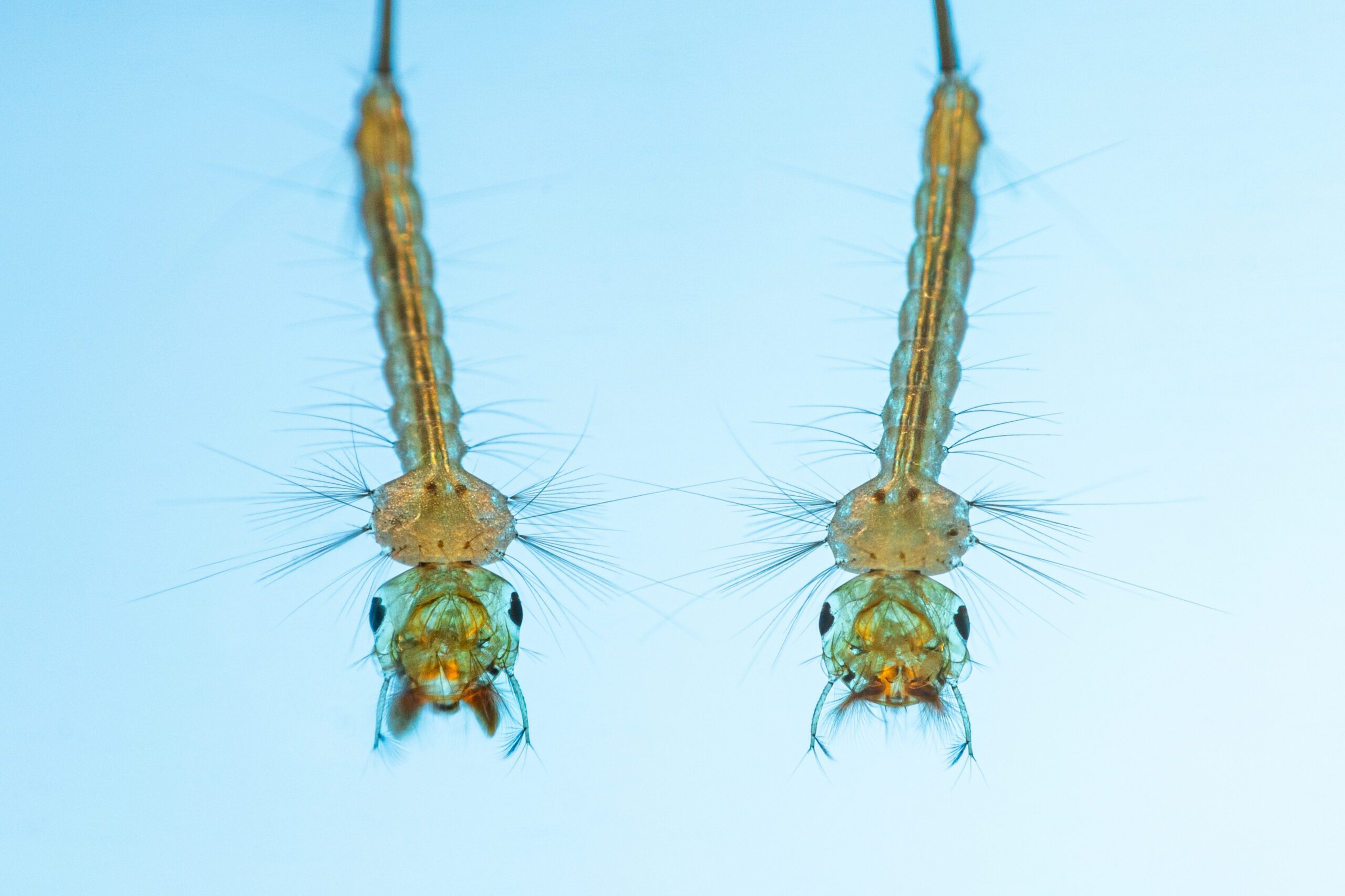
The mosquito larvae are at a stage where they’re often called wrigglers, and they hang upside down the water’s surface. Credit: Shutterstock 2676053509
Human behavior during recovery can also amplify the risk. The after-event cleanup efforts may mean more time outdoors. Damaged infrastructure such as a downed electrical grid that takes out air conditioning, missing or damaged screening, and possible population displacement into shelters may increase exposure. Historical events, such as Hurricanes Harvey and Irma, showed clear post-flood mosquito surges and elevated disease concerns (https://www.nature.com/articles/s41598-024-72734-z).
The key species of mosquito of concern is Culex quinquefasciatus (Southern House Mosquito), which is a primary vector for West Nile Virus and St. Louis Encephalitis. WNV is the most common mosquito-borne illness in the region. Culex are crepuscular or nocturnal biters, meaning they are very active at dusk and into the night, and exhibit heightened activity again at dawn. Other key species are Aedes aegypti and Aedes albopictus, or the Asian Tiger Mosquito. These are aggressive daytime biters responsible for the spread of Zika, Dengue, and Chikungunya. Zika poses special risks to expectant mothers.
While not every mosquito carries disease, the sheer volume of hatches post-flood raises overall the public health risk, especially for vulnerable groups. Take extra care in the protection of the elderly and infirmed, young children, expectant mothers, and those with weakened immune systems.
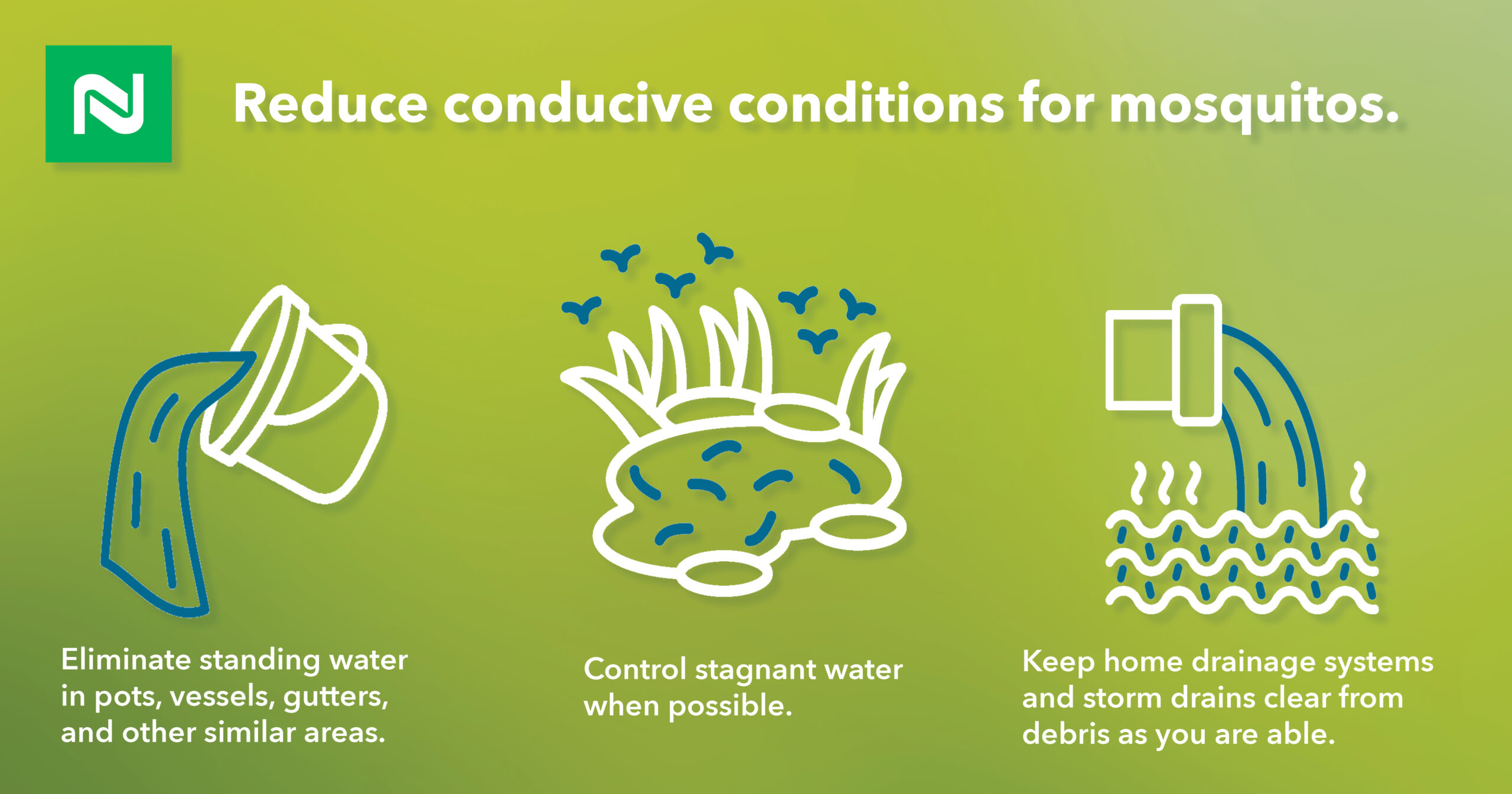
The good news is that individuals and communities can take effective action by eliminating standing water immediately. This task is achieved by vigilance and by regularly acting to empty pots, tires, buckets or any other vessel that can hold water. Ensure gutter systems, downspouts and scuppers remain free of debris and flow freely. Storm debris can also clog storm sewer drains, leading to pooling and stagnant water. Let’s not forget our four-legged friends: please change their pet water daily.
To protect ourselves and our family members, use repellents that are EPA-approved products with DEET, picaridin, or oil of lemon eucalyptus. Additionally, wearing long sleeves and pants, especially at dawn and dusk, can reduce exposure. Use air conditioning, when possible, but in situations where windows must be open, ensure screens are intact, in place, and in good repair. Further, the use of fans will help orient the mosquito’s flight away as they avoid strong air currents. Finally, to protect the community at large, report large breeding sites of standing water to local mosquito control districts.
Flooding does not always lead to major disease outbreaks, but the short-term window of heightened risk demands vigilance. By acting quickly to reduce breeding sites and protect against bites, a vigilant community can help limit transmission during this critical flood recovery period.
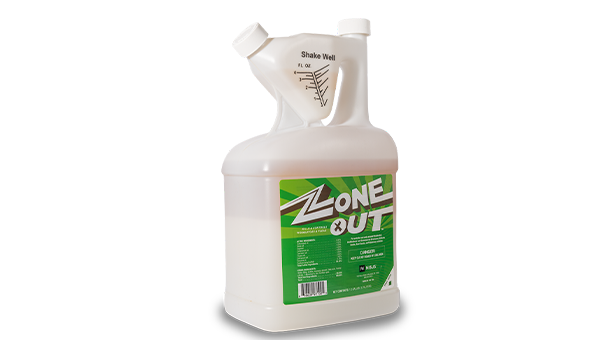
Consider contracting your local Pest Management Professional for expert assistance with mitigation of mosquito breeding areas on your property and the application of a mosquito barrier with a product like Zone Out from Nisus. Zone Out is a 25(b)-exempt minimum-risk mosquito adulticide that provides a quick knockdown and kill, providing spatial repellency with no required aquatic setback. This type of product can be ideal for wet environments with elevated mosquito pressure.
For the latest updates, consult the CDC (cdc.gov/mosquitoes), your state health department, or local weather alerts.
This article was written by John Singletary, ACE, National Vector Manager at Nisus Corporation®.
VIEW ALL
Mosquitoes in Motion: Understanding Mosquitoes After Flooding
Greg Baumann Transitions to Emeritus Role at Nisus Corporation
Greg Baumann, who served as Vice President of Technical Services & Regulatory Affairs for ...
Post-Flood Cleanup: Protecting Your Home and Health with DSV and Steri-fab
After a tropical storm or hurricane, floodwater in urban areas can often become a toxic mix of ...