Standing water from flash floods, urban drainage issues, and saturated soils can lead to an inc...
Post-Flood Cleanup: Protecting Your Home and Health with DSV and Steri-fab
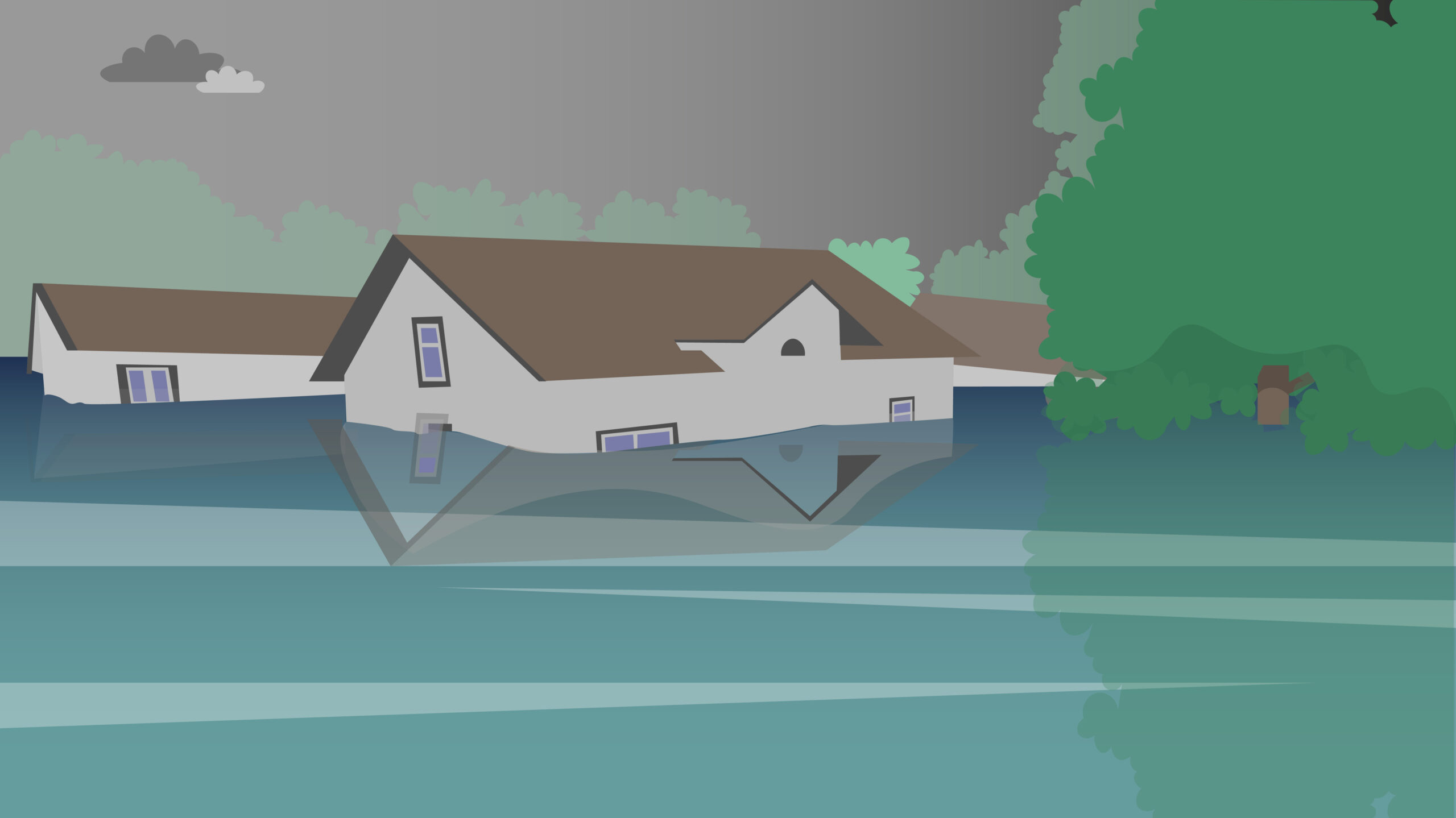
Floodwater in urban areas can often become a toxic mix of sewage, animal waste, sediment, chemicals, and debris. Credit: Shutterstock_2012979761
Always wear appropriate personal protective equipment (gloves, eye protection, etc.), ensure good ventilation, and consult local health authorities for severe contamination.
After a tropical storm or hurricane, floodwater in urban areas can often become a toxic mix of sewage, animal waste, sediment, chemicals, and debris. This contaminated water introduces serious health risks that can persist long after the water recedes. Proper cleanup is essential—not just for removing visible damage, but to address invisible threats like bacteria, viruses, mold, and endotoxins.
Two professional-grade products from Nisus Corporation, DSV (Disinfectant • Sanitizer • Virucide Concentrate) and Steri-fab, are powerful tools for post-flood sanitation. Used together correctly, they help mitigate many of the key biological hazards. Highlighted below are the potential threats and how these products can work to lessen these risks.
The Hidden Threats in Floodwater
- Bacterial pathogens — Both Gram-negative (E. coli, Salmonella, Shigella, Campylobacter, Pseudomonas, Legionella, Vibrio) and Gram-positive (Staphylococcus aureus including MRSA, Streptococcus pyogenes) bacteria. These cause gastrointestinal illness (e.g., diarrhea, vomiting), wound infections, and skin issues when they contact cuts or abrasions.
- Viruses— Particularly Norovirus, a leading cause of gastroenteritis outbreaks linked to sewage-contaminated water and crowded shelters.
- Mold, mildew, and fungi— These organisms thrive in damp environments and can trigger respiratory irritation, allergies, asthma attacks, and secondary infections.
- Endotoxins (LPS) — Toxic components released from the cell walls of dead Gram-negative bacteria. Even after disinfectants kill the live bacteria, endotoxins can remain on surfaces or in dust and debris, causing inflammation, fever, and worsening respiratory symptoms.
- Insects and odors — Displaced pests and bacterial decomposition create nuisance and unpleasant smells.
Follow these core steps for effective sanitation:
- Remove standing water, gross debris, and unsalvageable materials.
- Pre-clean, visibly soiled areas.
- Apply disinfectant/sanitizer solutions according to label directions.
- Keep surfaces wet for the required contact (dwell) time—typically 10 minutes for disinfection.
- Wipe or allow to air dry (rinse food-contact surfaces with potable water afterward).
- Ventilate thoroughly and dry all areas completely to prevent mold growth.
- Repeat as needed and prepare fresh solutions daily or when dirty.
DSV and Steri-fab: Complementary Solutions
DSV is a concentrated, hospital-grade disinfectant, sanitizer, and virucide. It offers strong, specific efficacy claims against a wide range of bacteria (including many enteric pathogens from sewage) and viruses (including Norovirus at the higher dilution rate). It also has explicit label directions for water damage restoration, sewer backup, and river flooding.
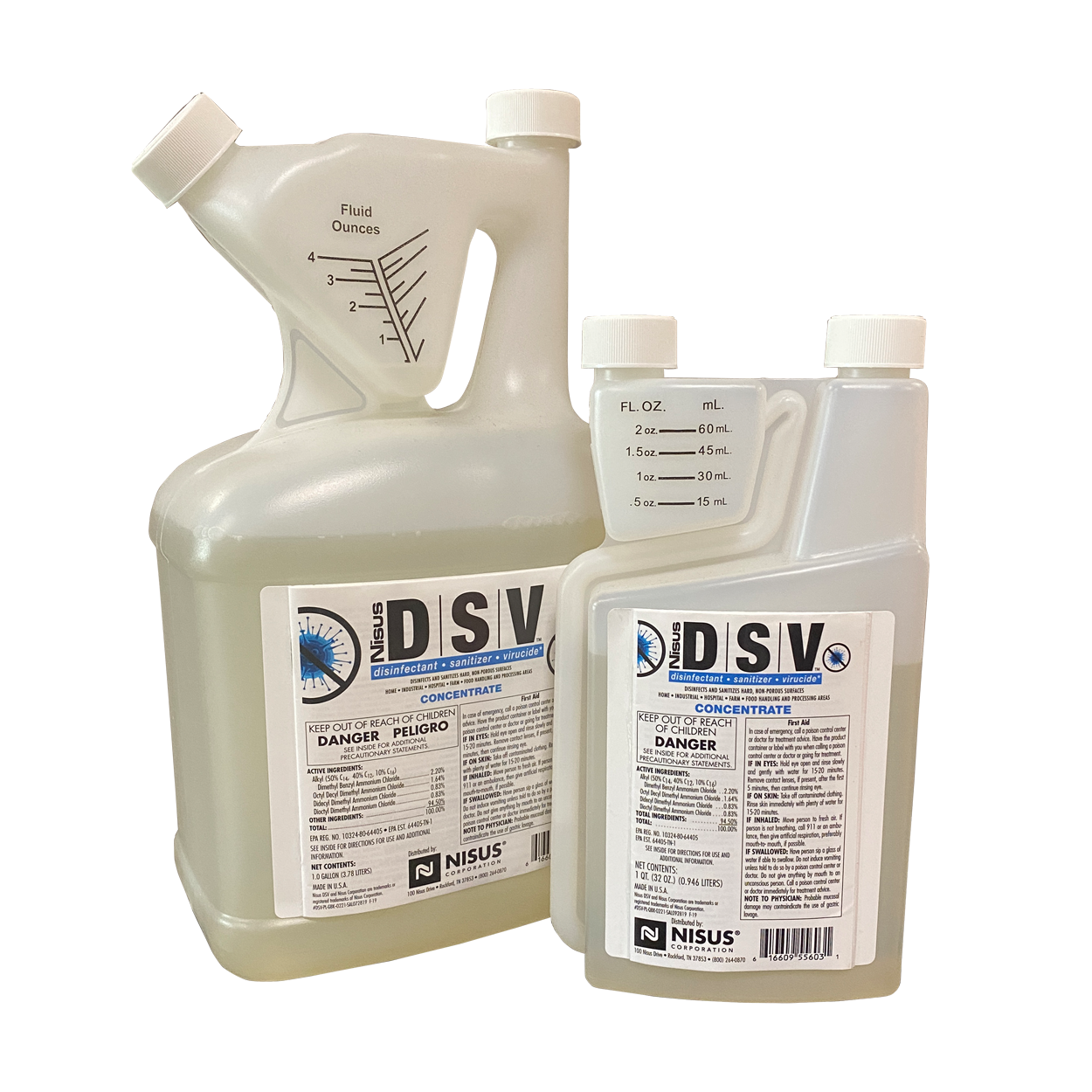
DSV DISINFECTANT, SANITIZER, & VIRUCIDE
Steri-fab is a ready-to-use, multi-purpose product labeled as bactericide, fungicide, insecticide, deodorizer, germicide, and virucide that can be used on both hard, non-porous surfaces as well as soft surfaces. It is especially useful for porous and soft surfaces such as mattresses, carpets, upholstery, and fabrics where it can be used as a bacteriostat, fungistat, and deodorizer.
They work best together:
Use DSV on hard, non-porous surfaces (floors, walls, countertops, bathrooms, kitchens, vehicles, and equipment).
Use Steri-fab on soft/porous items (mattresses, carpets, upholstery) that would benefit from deodorization, halting bacterial and fungal growth, and where insecticide activity is also beneficial.
How These Products Mitigate the Threats
Bacterial Pathogens
Both products are effective against Gram-negative and Gram-positive bacteria. DSV provides specific tested claims against many floodwater-relevant species (E. coli, Salmonella, Shigella, Campylobacter, Legionella, Pseudomonas, Staphylococcus including MRSA, and Streptococcus pyogenes). Steri-fab offers broad “most Gram-negative and Gram-positive” coverage plus odor control by killing decomposing bacteria.
Viruses
DSV has strong performance against Norovirus and other viruses. Steri-fab provides general virucidal and bacteriostatic activity that supports surface disinfection.
Mold, Mildew, and Fungi
Both help control fungal growth. DSV controls Aspergillus niger (a common post-flood mold) and kills listed fungi such as Trichophyton interdigitale. Steri-fab is labeled as a fungicide for non-porous surfaces and a fungistat for porous surfaces.
Successful mold remediation requires moisture control, removal of contaminated materials where necessary, and compliance with state and local regulations. DSV can be used to eliminate mold, mildew, and fungi on hard, non-porous surfaces while Steri-fab can be used to halt fungal growth on soft surfaces. Be sure to check locally and at the state level, for additional certifications or licensing required when offering mold remediation services for hire.
Endotoxins
These products kill the live Gram-negative bacteria that produce endotoxins, stopping further production. However, they do not destroy existing endotoxins (which are very stable). Physical cleaning, removal of heavily contaminated materials, and thorough drying remain essential to reduce endotoxin residues.
Odors and Insects
DSV deodorizes by killing odor-causing organisms, while Steri-fab provides rapid knockdown of many insects (including bed bugs, fleas, mosquitoes, and some flying insects) and offers excellent deodorizing properties.
Recommended Application Guidelines
DSV: Dilute according to the target organism (e.g., 2 oz/gal for most bacteria, 3 oz/gal for many viruses, 6 oz/gal for Norovirus). Apply to pre-cleaned surfaces and keep wet for the required contact or “dwell” time. Wipe down and clean any food contact surfaces before resuming use.
Steri-fab: Ready-to-use. Spray until surfaces are thoroughly dampened and allow for the required contact or “dwell” time. Allow for application surfaces to fully dry. Allow surfaces to fully dry before dermal contact or re-entry into application area.
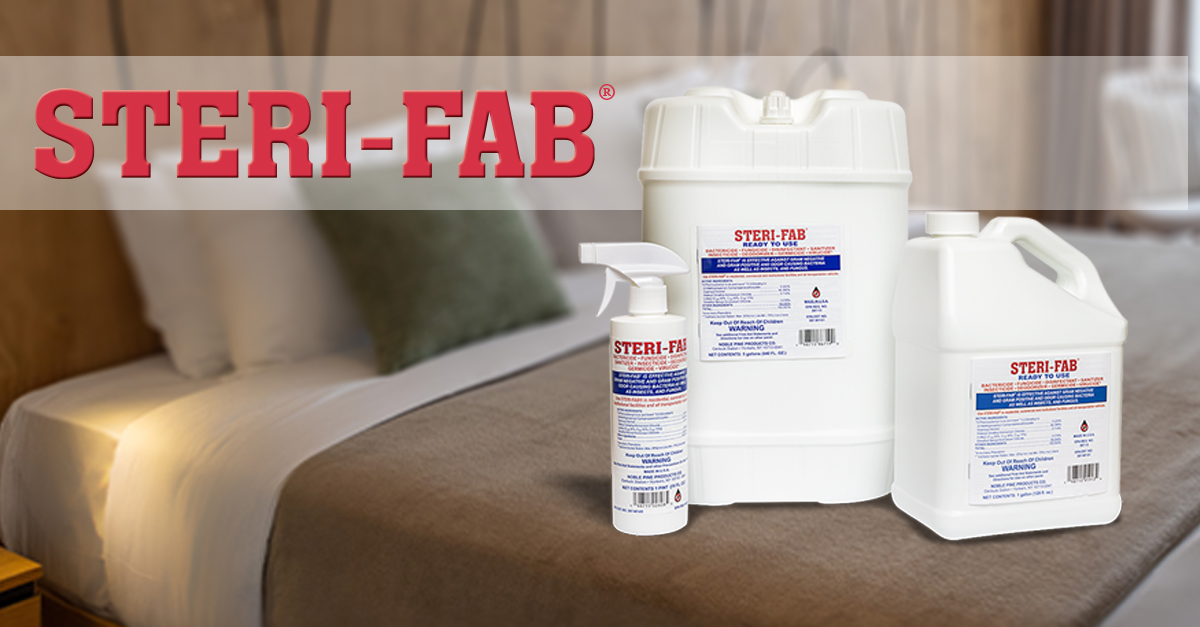
An EPA-registered viricide, sanitizer and insecticide all in one product.
Always follow the full product labels for PPE, ventilation, dilution rates, and surface compatibility.
For water-damaged porous materials, DSV has specific guidance when used as a deodorizer after proper extraction and cleaning.
Important Limitations: Neither product eliminates all risks. They are not effective against hardy parasites (Cryptosporidium, Giardia) and should not replace physical removal of contaminated materials or proper drying. DSV excels on hard surfaces while Steri-fab is better suited for soft surfaces. For extensive damage or immunocompromised individuals, consult professional remediation services.
Conclusion
Flooding creates a perfect storm of biological hazards—bacteria, viruses, mold, and endotoxins—that can cause both immediate illness and long-term health issues if not properly addressed. DSV and Steri-fab are proven, EPA-registered tools that, when used as part of a thorough cleaning, disinfection, and drying protocol, significantly reduce these risks on the surfaces where people live and work.
By understanding the threats and applying the right product to the right surface, restoration professionals, PMPs and homeowners can help restore safety and peace of mind after a flood.
Always read and follow the complete product labels. For severe contamination or health concerns, contact local health departments or certified professionals. Proper preparation and the right tools make a critical difference in protecting your home and family.
This article was written by John Singletary, ACE, National Vector Manager at Nisus Corporation®.
VIEW ALL
Mosquitoes in Motion: Understanding Mosquitoes After Flooding
Greg Baumann Transitions to Emeritus Role at Nisus Corporation
Greg Baumann, who served as Vice President of Technical Services & Regulatory Affairs for ...
After the Flood: Understanding the Mosquito Boom
Heavy rainfall and flooding in the path of what remains of Tropical Storm Arthur, can create id...